Forest Plot Interpretation and Medical Figure Explanation
Medical figures and tables are where many readers lose confidence. LancetClaw explains what a figure shows, what it does not prove, and what you can safely take away before you use it in writing, review, or decision-making.
Audience
Clinicians, students, researchers, and medical readers who need to interpret figures accurately.
Use Case
Understand a confusing figure or table before using it in a draft, presentation, review, or clinical discussion.
Guide Depth
4 steps · 5 features
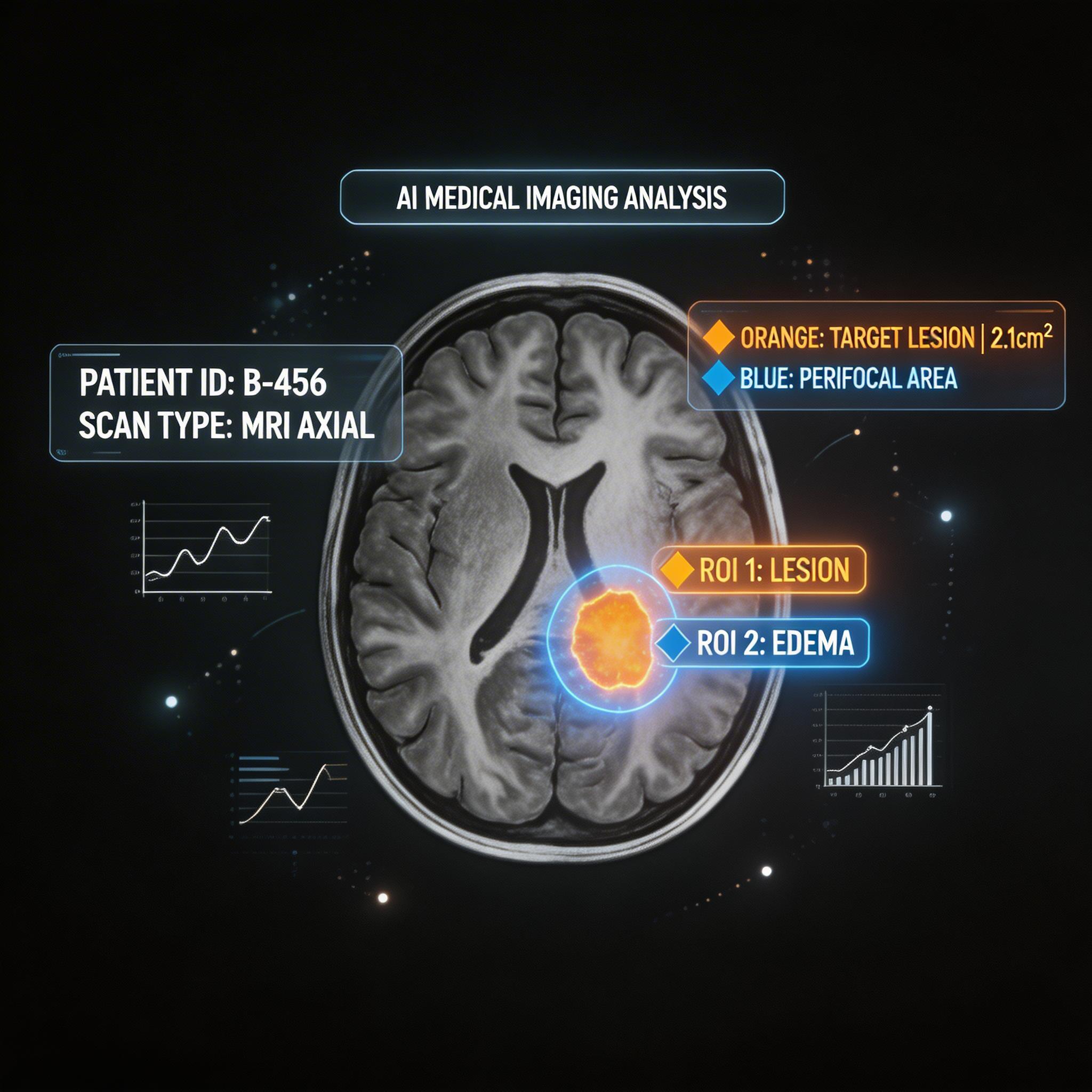
Workflow
- 1Upload a figure, table, or start from the paper containing it.
- 2LancetClaw explains what the visual encodes and which comparisons matter.
- 3The workflow separates direct findings from over-interpretation.
- 4Use the explanation to read, write, or discuss the result more confidently.
Outcome Signals
- Less confusion around dense visuals
- Fewer overclaims from misunderstood figures
- Better communication of evidence in writing and review
Execution Checklist
- Figure, chart, and table explanation in context
- Separates what is shown from what is only implied
- Explains endpoints, axes, and visual comparisons
- Helpful for Kaplan-Meier curves, forest plots, tables, and study figures
- Works as a focused OpenClaw skill or part of a paper review
Common Questions
Composite Team Feedback
Representative feedback patterns from teams using this kind of medical literature workflow.
Clinician
"Paper review now tells me what the methods and figures actually mean before I rely on a study in practice."
Faster evidence triage for high-stakes reading
Clinical Pharmacist
"We use these workflows to sanity-check new evidence before it changes how we update recommendations."
More confident evidence decisions